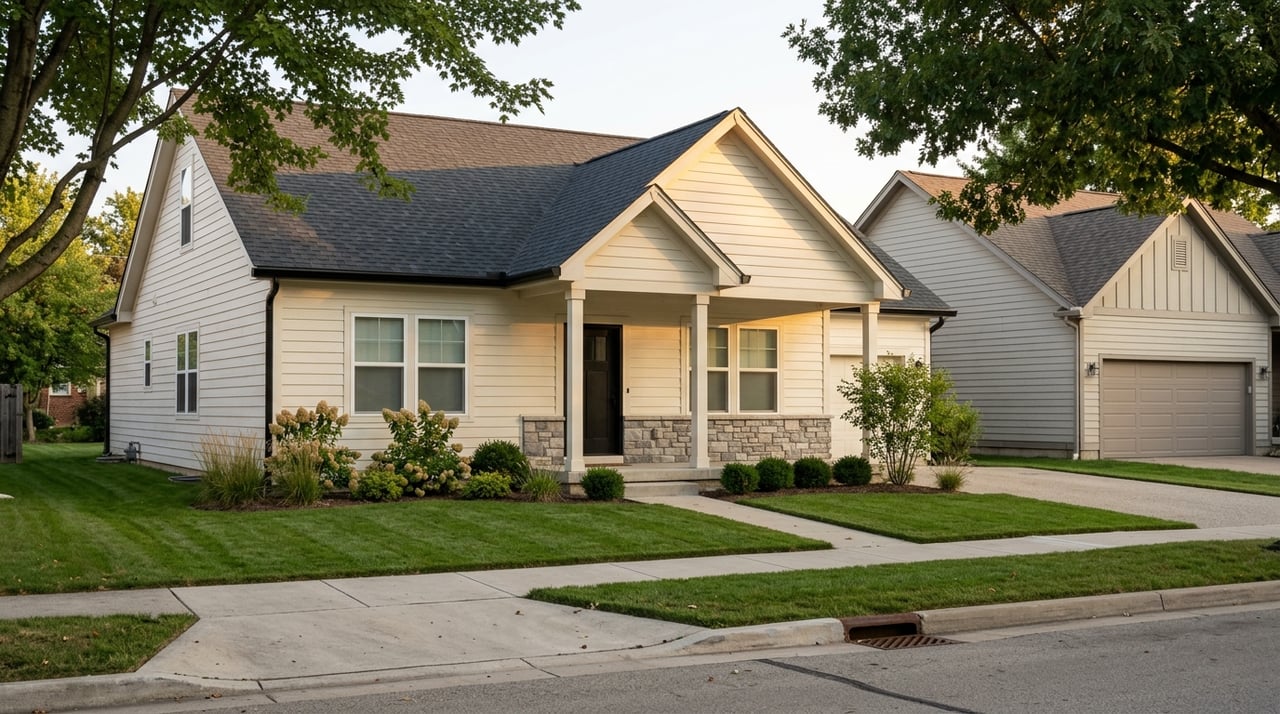
Grandville MI Neighborhoods Guide: Find Your Best Fit
July 16, 2026
July 16, 2026
Looking for the right part of Grandville can feel harder than picking the right house. One street may give you older in-town charm, while another puts you closer to newer homes, big shopping hubs, or trail access. If you want a clearer way to compare Grandville, this guide will help you understand how the city is laid out, what each area tends to feel like, and which amenities may matter most for your day-to-day life. Let’s dive in.
Grandville is a few miles southwest of Grand Rapids on the west edge of Kent County. The city sits along the Grand River to the north, with Wyoming to the south and east and Georgetown Charter Township to the west.
If you are searching for a home here, it helps to think in terms of corridors and residential pockets instead of formal neighborhood names. Local planning documents organize Grandville around Downtown Grandville, Chicago Drive, Wilson Avenue, 28th Street, 44th Street, Ivanrest, and Rivertown Parkway.
Another key thing to know is that Grandville is largely built out. According to the city’s master plan, future change is expected to come more from redevelopment and infill than from major new subdivision growth.
If you like older homes and a more established setting, start near Downtown Grandville and the nearby inner-ring areas. This part of the city includes places such as Prairie/Barrett, Oakes/White, Ottawa, and North Wilson.
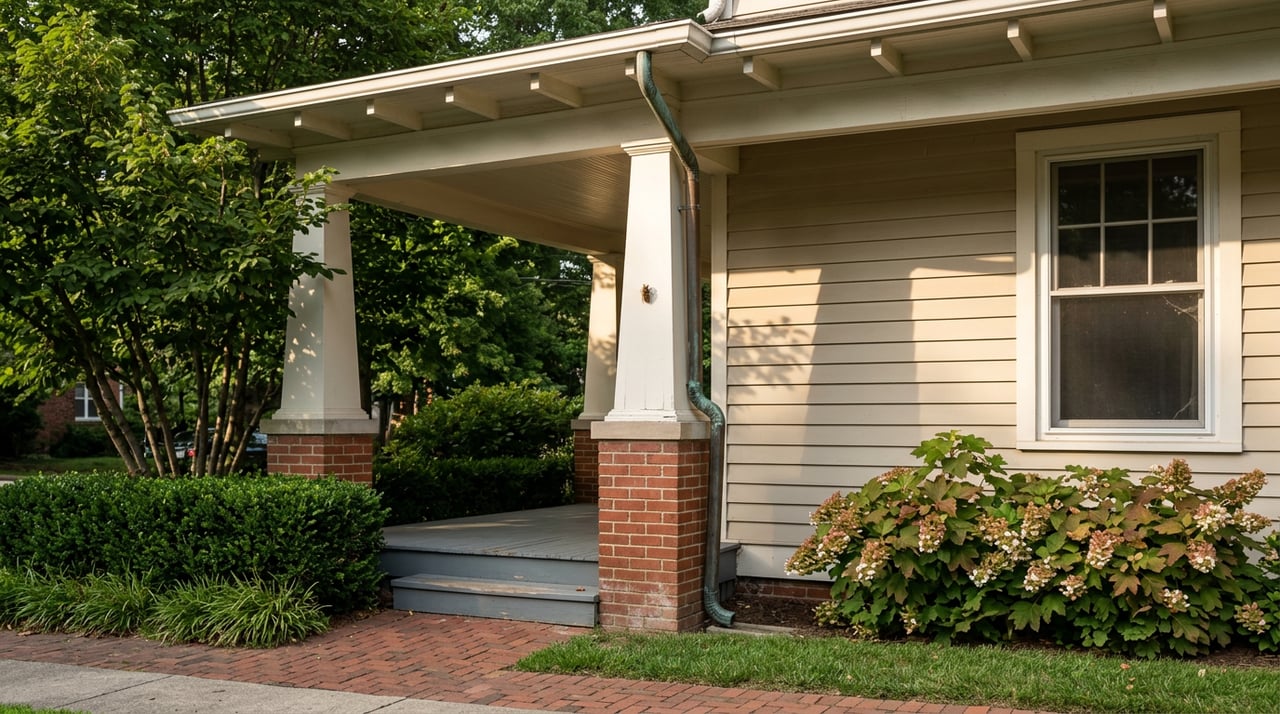
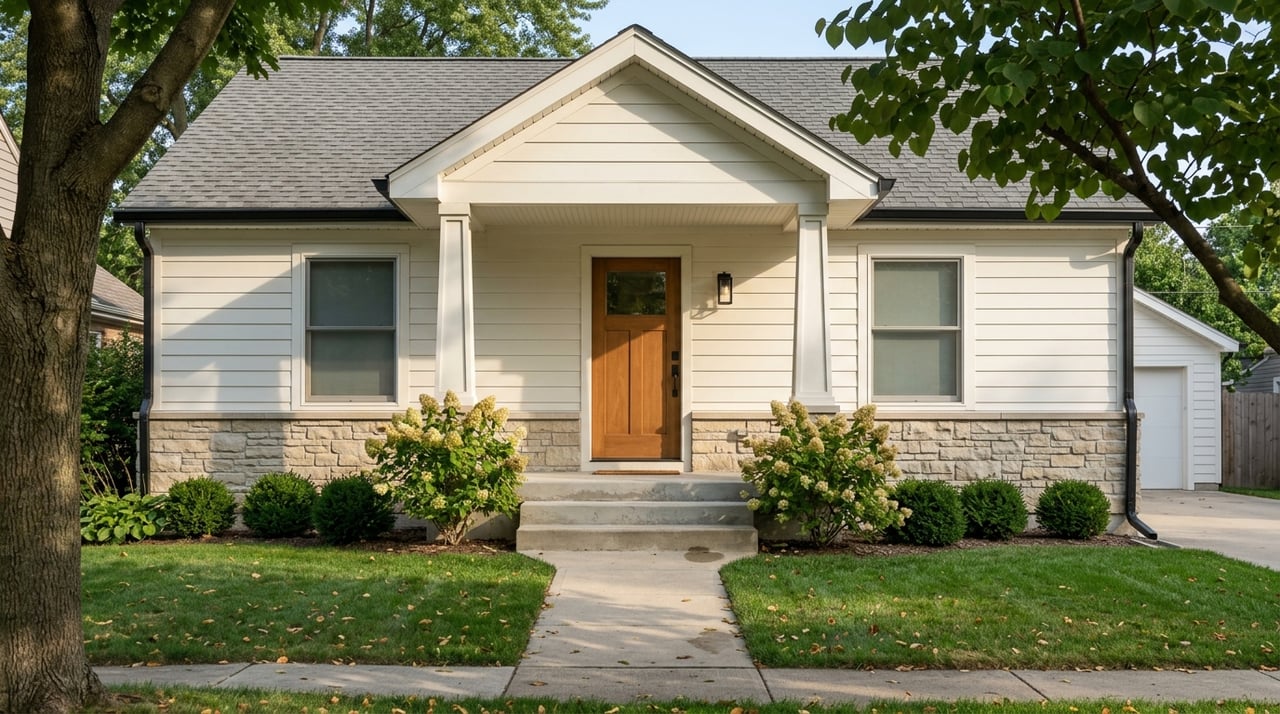
City zoning documents show that these areas are intended to preserve residential character while allowing a range of housing types in certain pockets. In practical terms, this is where you are more likely to see older bungalows, Arts-and-Crafts homes, foursquares, and ranch homes.
Downtown itself is planned as a pedestrian-oriented area with retail, offices, public space, and some residential uses. If you want to be closer to a traditional downtown setting with a more connected street feel, this is one of the most useful places to begin your search.
This part of Grandville may appeal to you if you want:
Grandville’s north side offers a different experience. Local housing guidance suggests this area tends to include smaller bungalows and ranch-style homes, while the river edge adds access to outdoor spaces instead of a typical cul-de-sac pattern.
The city’s parks plan identifies the Grand River Waterfront and Grand River Pathway as important natural resource areas. These spaces connect the north side to scenic river access, paved pathways, benches, overlooks, and broader trail connections.
If being near water, trails, and natural features matters to you, the north side deserves a close look. It can offer a lifestyle that feels tied to outdoor recreation and open space, even while staying connected to the rest of the city.
If your priority is convenience, this side of Grandville may stand out quickly. The 44th Street, Rivertown Parkway, and Ivanrest area is tied more closely to shopping, services, and a newer-feeling edge of the city.
The city’s master plan treats 44th Street as a mixed-use connector, and it identifies Rivertown Crossings as a commercial and community anchor. Planning documents also describe Chicago Drive and Wilson Avenue as transition areas between more auto-oriented outer corridors and the pedestrian-oriented downtown core.
For buyers, this area is often the best fit if you want easier access to errands and commercial amenities. Based on the city’s land use framework and current housing mix, this is also the area where you may be more likely to find newer subdivisions, townhomes, or larger houses.
You may want to focus here if you are looking for:
Some of Grandville’s more distinctive housing pockets are tied to water features. The city’s natural landscape includes former mined areas that now function as small lakes and ponds.
Local housing guides describe a Grandville Lakes pocket with larger yards and scenic views. Because these boundaries are informal, it is smart to evaluate listings one address at a time rather than assume a broad neighborhood label tells the full story.
If you want something that feels a little different from a standard subdivision lot, these pockets may be worth watching. They can offer a more unique setting within a city that is otherwise fairly built out.
Parks are one of Grandville’s strongest everyday amenities. The city’s parks plan identifies three neighborhood parks, three natural resource areas, one sports complex, and Buck Creek Trail as an important connector.
For many buyers, access to green space can shape how a neighborhood feels just as much as the homes themselves. Grandville gives you several ways to prioritize that.
Wedgwood Park includes sports fields, playground equipment, parking, and access to Buck Creek Trail. If you want a neighborhood with a nearby park and trail connection, this is an important one to know.
Heritage Park includes a pond, walking path, footbridge, disc golf, benches, a pavilion, and the Historical No. 10 Schoolhouse museum. It offers a mix of recreation, open space, and local history.
Calvin Crest Park has tennis courts, a softball field, nature trails, and footbridges. It is another good example of how Grandville blends neighborhood park access with outdoor recreation.
Mill Race Park, the Grand River Waterfront, and the Grand River Pathway add more natural-resource-oriented spaces. These areas bring trail access, river views, and scenic outdoor features into the city’s amenity mix.
Little League Baseball Complex provides baseball, softball, and tee-ball fields. It is a major sports amenity, especially for households who want easy access to organized recreation spaces.
Buck Creek Trail is one of the most useful amenity features in Grandville. The city’s 2023 master plan says it runs from Canal Avenue to Wayburn Street alongside Buck Creek, with a spur south on Big Spring Drive and a loop through Mill Race Park.
It also connects Grandville into Kent Trails and the wider west-side trail network. If trail access is high on your list, nearby homes may deserve extra attention.
Grandville offers two especially important anchors for everyday life: downtown and Rivertown Crossings. Each serves a different purpose, and together they shape how convenient the city feels.
Downtown Grandville is designed to support retail, offices, public spaces, and residential uses in a pedestrian-oriented setting. The Downtown Development Authority also notes that its district generally covers downtown and the 28th Street and Chicago Drive corridors.
Rivertown Crossings is identified in the city’s master plan as a commercial and community anchor. If you want easy access to major shopping and errands, the surrounding area is likely to be a practical fit.
Downtown is also growing as a civic destination. The DDA reports a permanent farmers market project as part of its Grandville Library Corridor Connection effort, which adds to the area’s role beyond standard storefront activity.
For many buyers, Grandville’s location is a big part of the appeal. The city’s master plan says I-196 runs along the north edge, giving Grandville convenient access to both greater Grand Rapids and the lakeshore.
Public transit also plays a role in local mobility. The Rapid serves the area with Route 3 Wyoming/Rivertown, Route 28 28th Street, and Route 44 44th Street.
If you are balancing commute access with neighborhood feel, Grandville offers several workable options. You can focus more on downtown character, trail access, or shopping convenience without losing connection to the wider West Michigan region.
Grandville’s market has been active and competitive. Redfin’s latest three-month data put the median sale price at $339,772 in May 2026, with homes averaging about 8 days on market and many receiving multiple offers.
Other pricing snapshots also show a broad range. Realtor.com reported a median listing price of $399,900 in April 2026, and Zillow’s home value index placed the average Grandville home value at $363,401 in July 2026.
That price spread makes more sense when you look at housing style and era. A 2026 local guide from Homes.com says older bungalows and Arts-and-Crafts homes can begin in the $170,000s and rise past $300,000, larger midcentury homes often start around $300,000, and newer craftsman, ranch, and Tudor Revival homes can exceed $800,000.
Because Grandville is largely built out, resale homes play a major role in the market. Price differences often track with home age, lot size, and access to major corridors and amenities.
If Grandville feels broad at first, a simple needs-based approach can help. Instead of trying to learn every pocket at once, start with the lifestyle features that matter most to you.
Here is a practical way to think about it:
The best neighborhood match usually comes down to how you want to live each day. Your ideal location may have less to do with a label and more to do with whether you want character, convenience, outdoor access, or something a little more unique.
If you want help comparing Grandville neighborhoods, understanding what fits your budget, or building a smart search around your daily priorities, Lindsey R Eppink can help you make a confident move with clear, local guidance.
Stay up to date on the latest real estate trends.
Experience a thoughtful, client-focused approach backed by local expertise, responsive communication, and a genuine passion for helping people feel at home.