One Week, One Lake: What "Our Green Holland" Is Actually Building Toward
September 24, 2026
September 24, 2026
If you've lived in Holland for more than a year, you've probably noticed the city likes to theme its weeks. This one is easy to miss if you're only half paying attention to the newsletter: a native plant sale, a trivia night at a downtown hotel, a worm class at the library, a walk at a park most people drive past on their way somewhere else, a recycling drop-off, and a Saturday festival at Kollen Park. Read as a list, it looks like five or six things a city does because a city has to do something in September.
Read in order, it's something else. Every one of those events is a different entry point into the same project: keeping Lake Macatawa clear enough to swim in, fish in, and paddle across without thinking twice about it. The city isn't running six unrelated events. It's spending eight days walking residents through one long-running, expensive piece of local infrastructure, one manageable piece at a time.
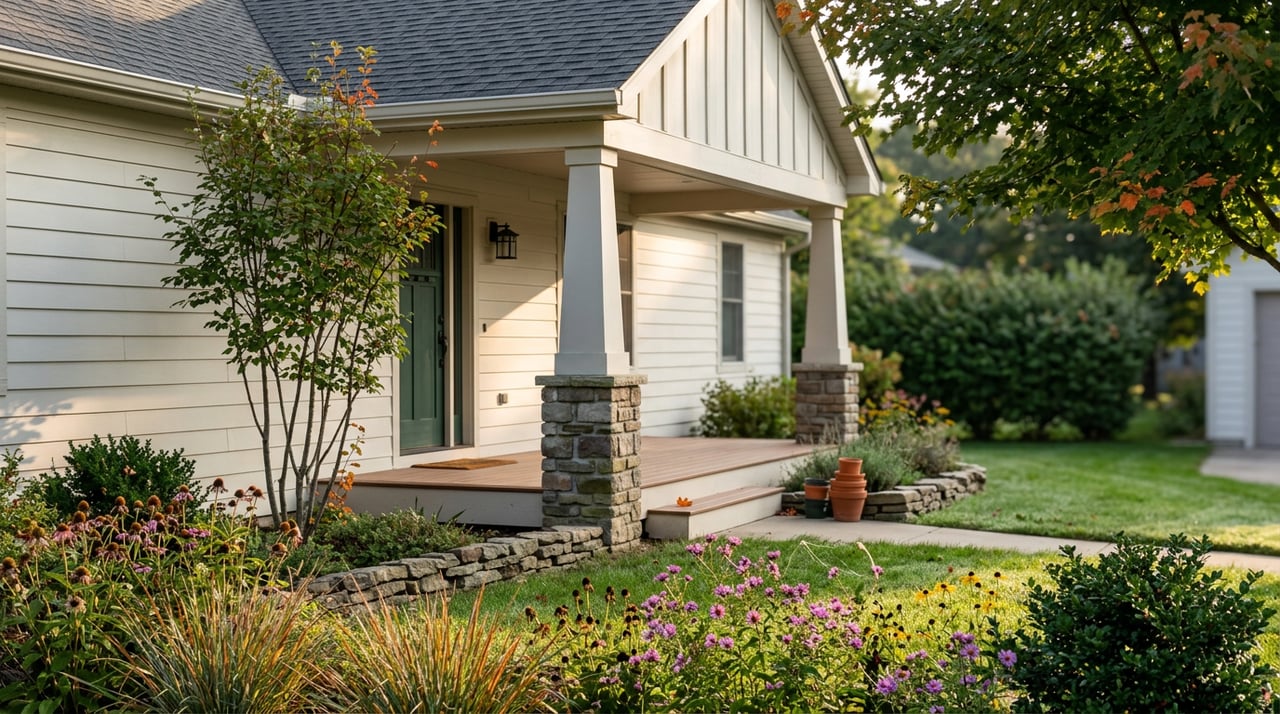
The week opens on Saturday, September 19, with a Fall Native Plant Sale at the Holland Board of Public Works Service Center on Hastings Avenue. You don't need a BPW account to show up and buy plants from the vendors on-site. That's not a random opening move. Native plant roots hold soil and absorb rainwater far better than turf grass, which means less lawn runoff carrying fertilizer and sediment into storm drains that eventually feed the Macatawa River and the lake it empties into.
Most residents plant for curb appeal. The city is quietly hoping you'll plant for the watershed, and it's easier to make that pitch on day one, before anyone's thinking about a lake at all.
Monday brings Environmental Trivia Night at the Tulyp Hotel on East 7th Street, hosted by Tulip Coast Trivia, open to anyone 18 and up who wants to test what they actually know about the Great Lakes and regional conservation work over a couple of hours. Two days later, Herrick District Library's main branch on South River Avenue runs Vermicomposting 101, a hands-on class on using red wiggler worms to turn kitchen scraps into compost instead of household trash.
Neither event asks much of you. That's the point. A trivia night and a worm bin are the kind of low-friction, low-commitment steps that get people who'd never sign up for a watershed meeting to spend an evening thinking about one anyway. Composting scraps at home means less organic waste heading to a landfill, which is a smaller and slower-moving lever than the plant sale, but it's the same lever.
Thursday's event is easy to underestimate: a Stroll & Roll from 5 to 7 p.m. at Paw Paw Park East on Paw Paw Drive, with Outdoor Discovery Center staff bringing birds of prey and reptiles along the trail and a scavenger hunt built in for kids. It reads like a nice family outing, and it is one. It's also a walk along a working stretch of the Macatawa Greenway, the trail corridor ODC Network has spent more than two decades building and connecting through parks like Paw Paw Park, Window on the Waterfront, and the Upper Macatawa Natural Area.
You're not just walking a trail that week. You're walking the same corridor of protected land that ODC's conservation team manages year-round specifically to keep the watershed functioning. The birds of prey are the hook. The trail under your feet is the actual subject.
Saturday's other stop, before the week's finale, is a City recycling drop-off at Thermotron on Kollen Park Drive, run with PADNOS and Mattress Shredderz. It's free for City of Holland residents to bring electronics, mattresses, small appliances, and power tools, though non-residents can still participate for $20 per mattress. There's a cap of four mattresses or box springs per household and a total event capacity of 150, so it fills up.
This one is less about the lake directly and more about the same instinct running through the whole week: keeping things that don't belong in a landfill, whether that's a mattress spring or a phone battery, out of the ground and water table that eventually connects back to the same watershed everything else in the week is about.
Here's the piece that doesn't show up on the events calendar. The Macatawa Water Festival, the week's capstone at Kollen Park, exists to benefit Project Clarity, the Macatawa Watershed Project's long-running effort to restore the health of Lake Macatawa. That project is now in its second decade. Its current phase, the third since the effort began, is a $7.65 million initiative spread over five years, and this past summer the nonprofit behind it asked the Holland Township Board of Trustees for a $50,000 annual commitment through 2032 to help fund it.
That's not a rounding error tucked into a city newsletter. It's a multimillion-dollar, multi-township infrastructure commitment, and the plant sale, the composting class, the trail walk, and the recycling drop-off are the public-facing, low-stakes version of the same ask that's happening in board meetings behind the scenes.
The week ends the way it should: at Kollen Park, with more than 20 community partners, from the Holland-Hope College Sustainability Institute to the Ottawa Conservation District to the West Michigan Walleye Club, setting up kayaking, water quality experiments, and native plant education right on the water the whole week has been about. It's free, it's for all ages, and it's the one event where you can actually see the thing the rest of the week has been explaining to you.
There's a small piece of local trivia worth knowing if you're standing at Kollen Park that Saturday. The park itself was a gift to the city in 1921 from Martha Diekema Kollen, who gave roughly 19 acres on the condition that it become a public lakefront park for residents who didn't have the means to travel elsewhere for one. A century later, the city is still spending real money to keep the water in front of that gift clean enough to justify the gesture.
None of this requires you to attend a single event. Most of what Project Clarity is asking for happens whether or not you show up: fewer fertilizer-heavy lawns, less organic waste in landfills, protected greenway corridors, responsible disposal of things that shouldn't end up in a ditch. But knowing the shape of the week means you can pick the one entry point that actually fits your life, whether that's swapping out a strip of lawn for native plants this fall or just taking the Thursday evening walk at Paw Paw Park East with your kids.
If you want the exact times, addresses, and any last-minute changes, the City of Holland keeps the full lineup updated at its Our Green Holland event page, and the Outdoor Discovery Center Network posts festival specifics directly on its site.
Holland has a way of turning ordinary city business into something residents actually want to show up for. That's part of what makes it a place people stay in for decades, not just visit for a season. If you're already living here and want to talk about what's happening in your particular pocket of the Holland market, or you know someone thinking about making this town home, Lindsey Eppink is always glad to talk it through. Let's Connect.
Stay up to date on the latest real estate trends.


Experience a thoughtful, client-focused approach backed by local expertise, responsive communication, and a genuine passion for helping people feel at home.