Everyday Life In Holland MI Beyond The Beach
June 25, 2026
June 25, 2026
Looking at Holland, Michigan, it is easy to picture summer beach days first. But if you are thinking about living here, your day-to-day experience will be shaped by a lot more than the shoreline. From neighborhood variety and short commutes to parks, local shops, and year-round events, Holland offers a lifestyle that feels practical, connected, and active in every season. Let’s dive in.
One of the biggest draws of everyday life in Holland is how manageable it can feel. The city had an estimated 35,372 residents in 2025 across 16.68 square miles, which helps explain why getting around often feels simpler than in a larger metro area. The U.S. Census reports a mean travel time to work of 16.8 minutes for 2020 through 2024.
That shorter daily rhythm matters when you are choosing where to live. Whether you are heading to work, running errands, or meeting friends downtown, Holland often supports a routine built around shorter trips. For many buyers, that can mean less time in the car and more time actually enjoying where they live.
Holland is practical by car, but that is not the whole story. The city’s 15-minute-neighborhood approach focuses on access to groceries, parks, schools, sidewalks, safe crossings, and transit stops, which shows how strongly daily convenience factors into local planning.
If you like walking or biking as part of your routine, that can be a meaningful part of life here. The city’s non-motorized plan and the Bike Holland network are designed to connect schools, parks, downtown, nearby communities, and other major destinations. Bike Holland says the planned network will total more than 52 miles.
Public transit is available through Macatawa Area Express, also called MAX. It serves Holland and Zeeland with hourly fixed routes, ADA paratransit, and coverage in Holland, Holland Township, Park Township, Zeeland, and parts of Zeeland Township. Fixed routes run Monday through Friday from 6 a.m. to 7 p.m., and there is no Sunday service.
Winter can change how a city feels, but downtown Holland has a unique advantage. Its publicly owned snowmelt system has kept downtown streets and sidewalks snow-free since 1988 and now covers about 690,000 square feet. That helps keep the core more usable during colder months.
A lot of people are surprised by how varied Holland’s housing stock really is. This is not a one-style, one-neighborhood kind of market. If you are moving to Holland, it helps to think of the city as several different living experiences rather than one single vibe.
The city recognizes four local historic districts, and its design guidelines include styles such as Bungalow, Greek Revival, Italianate, Colonial Revival, and Queen Anne. That older architectural variety gives some parts of Holland a very different feel from newer or more suburban sections of town.
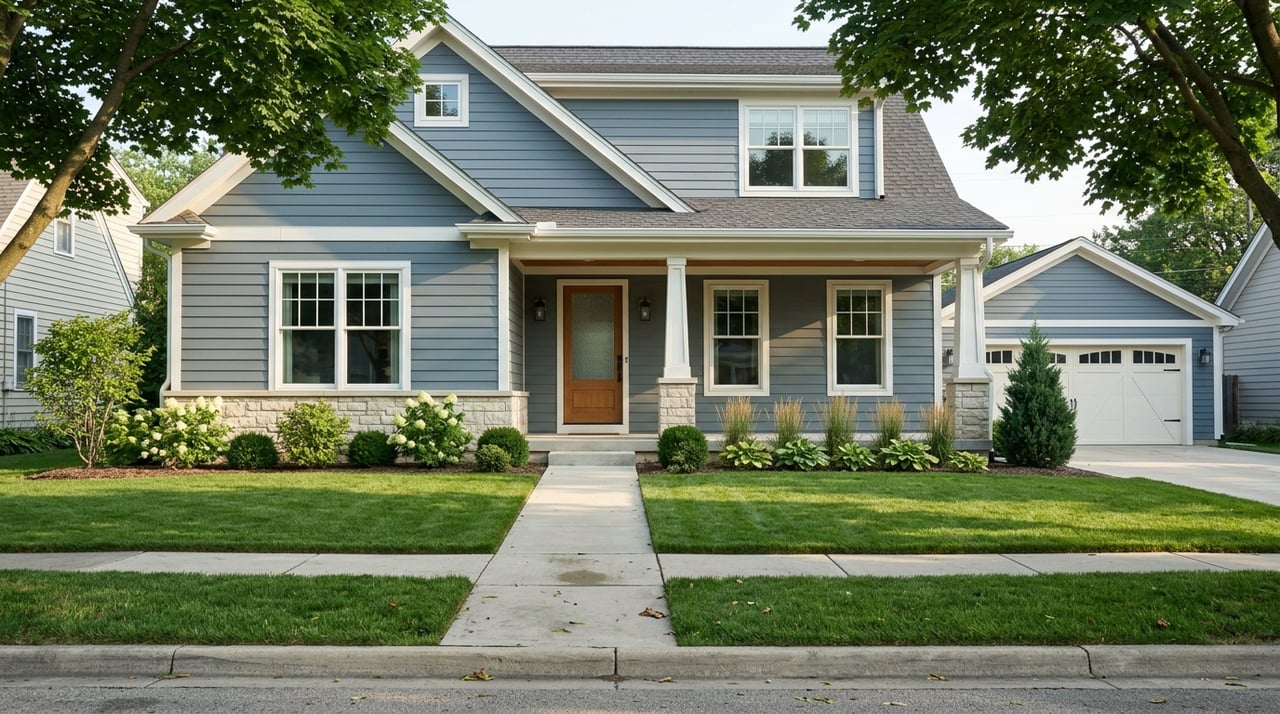
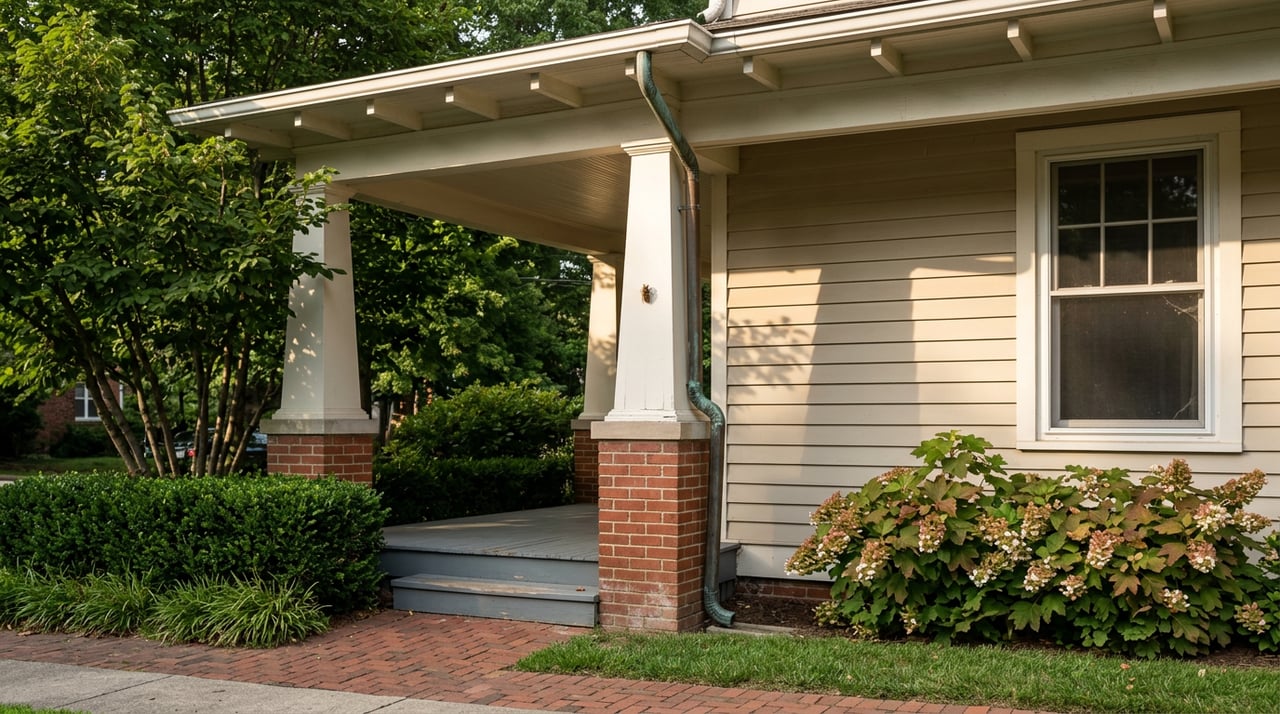
The Historic Neighborhood includes homes built before or early in the 20th century. The city describes it as having walkable blocks, front porches, and easy access to downtown, Kollen Park, the farmers market, and other parts of Holland.
Washington Square is another area with early-1900s roots. It includes single-family and two-family homes, which adds another layer of housing choice close to the city core. If you like older homes and established streetscapes, these areas may stand out.
Holland Heights offers a different housing pattern. It is made up mostly of single-family homes built between 1950 and 1990, often ranch-style, along with some apartment options. For buyers who want a more traditional neighborhood layout with a mix of home ages, this can be a useful area to explore.
On the southwest and lakeshore side, Westside includes post-World War II small ranches, waterfront homes, summer cottages, condos, and apartments. That range creates more flexibility for buyers with different budgets, maintenance preferences, or lifestyle goals.
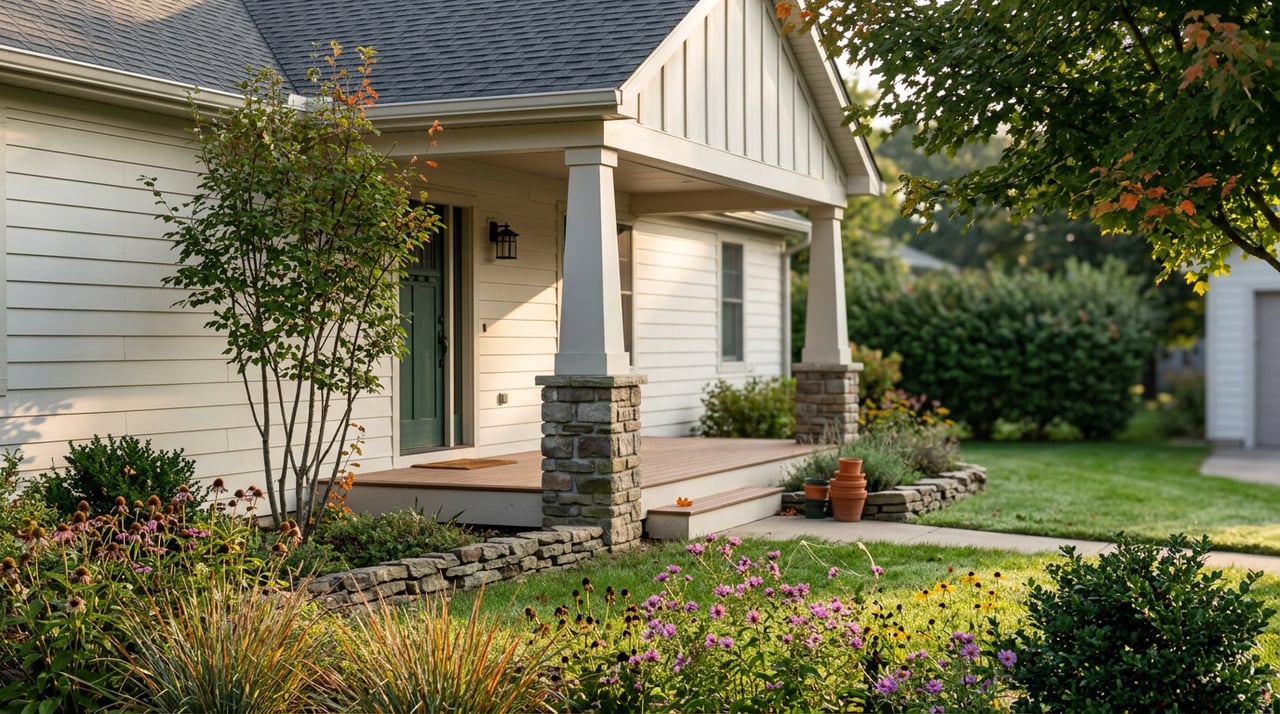
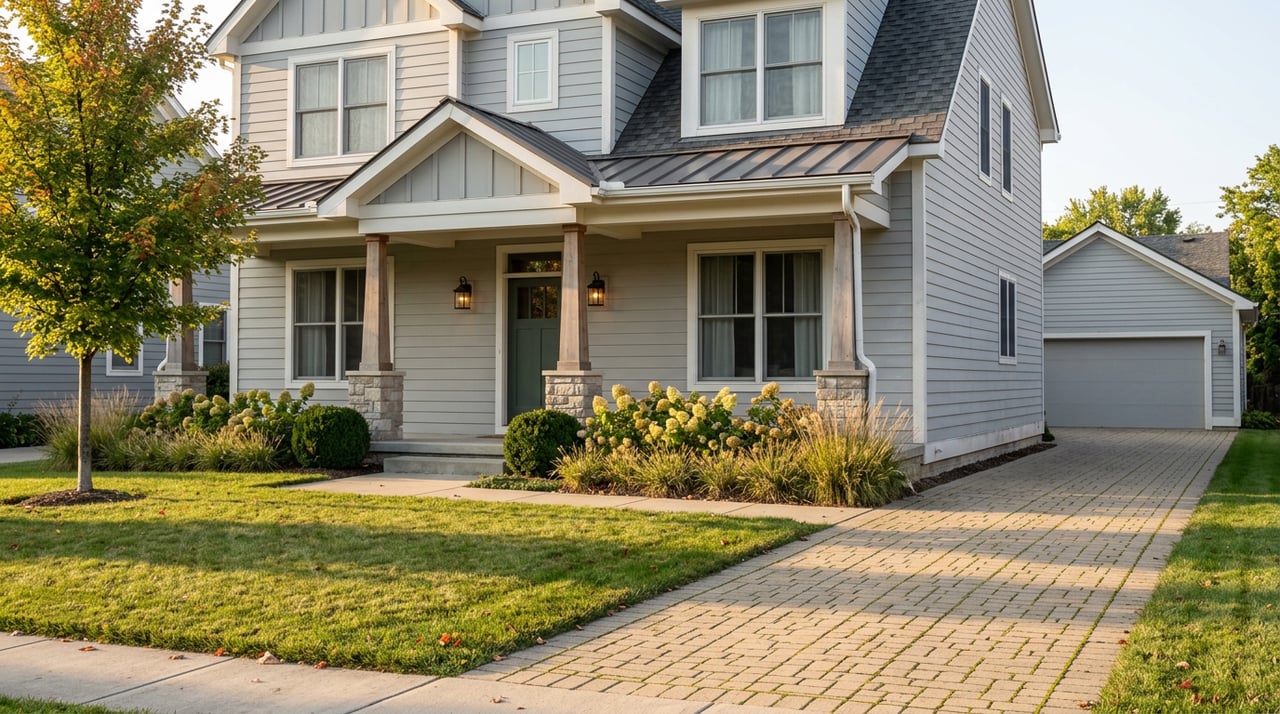
Cobblestone brings in newer townhomes and single-family homes with neo-traditional design features and covered front porches. If you like the idea of newer construction but still want a neighborhood feel, this adds another option to the mix.
Downtown housing is its own category. There, you will find student apartments above shops, loft-style living, and condos. If being close to restaurants, events, and local businesses matters more to you than having a larger yard, downtown living may feel like a strong fit.
If you want a broad snapshot of Holland’s housing picture, the Census offers a few helpful markers. The owner-occupied housing rate is 67.8%, the median owner-occupied home value is $252,200, and median monthly owner costs with a mortgage are $1,495. Median gross rent is $1,193, and median household income is $75,865.
Those numbers do not define every neighborhood or every home, but they do provide context. They suggest a market with a strong owner-occupied base and a mix of ownership and rental options. For buyers and sellers alike, that balance can be useful when thinking through long-term value and demand.
In Holland, outdoor time is not just for vacation weekends. The City of Holland says it has 23 parks and about 500 acres of parkland, which helps make green space a regular part of local life rather than an occasional destination.
That matters when you are thinking about how you actually want to spend your week. A quick playground stop, an evening walk, or time on a trail can be easier to fit into your routine when parks are woven into the city itself.
Kollen Park and the Heinz Waterfront Walkway are major parts of that outdoor lifestyle. The area includes boardwalks, fishing areas, a playground, picnic spaces, and dog-friendly access. It offers waterfront scenery without needing to plan a full beach day.
The Historic Neighborhood guide also notes easy access to Kollen Park, along with the ability to walk, bike, or take a bus to the rest of Holland. That reinforces the idea that outdoor access and daily convenience often overlap here.
Van Raalte Farm adds a different kind of outdoor option. It spans 160 acres and includes marked nature trails, sledding, cross-country ski trails, and an enclosed dog park. That gives you ways to stay active in multiple seasons.
DeGraaf Nature Center is another public outdoor space, with an 18-acre preserve open to the public. Windmill Island Gardens adds 36 acres with canals, picnic areas, and a playground. Together, these spaces show that Holland’s outdoor life extends well beyond the beach.
The city’s neighborhood guides make that even clearer. Holland Heights highlights walkways, nature trails, soccer, tennis, sand volleyball, and bike paths. Outdoor recreation is spread throughout the city, which can make a real difference in how livable a neighborhood feels on an ordinary Tuesday.
A strong daily lifestyle is not only about houses and parks. It is also about where you shop, eat, and spend time. Downtown Holland’s visitor information says the district has more than 100 unique, locally owned shops, galleries, eateries, and brew pubs.
That concentration of local business gives the city center energy beyond tourist season. It also gives residents more reasons to head downtown for everyday errands, casual dinners, or weekend browsing.
The Holland Farmers Market is another part of that routine. It brings in more than 75 vendors on Wednesdays and Saturdays. For many locals, that can become part of weekly life rather than a special outing.
One reason Holland stands out is that the city stays active across the calendar. Signature recurring events include Tulip Time in spring, the Street Performer Series on Thursday evenings in summer, Holland on Ice in winter, and the Downtown Holland Holiday Open House in late fall.
These events help shape local rhythm. Even if you are not attending every event, living in a place with recurring seasonal traditions can make the year feel more connected and engaging.
Downtown infrastructure supports that activity too. Between the snowmelt system, seasonal street programming, and the social district, the core is set up to stay useful and welcoming beyond peak summer months.
If you are worried that Holland might feel too seasonal, the local planning and neighborhood programs tell a different story. The city supports block parties, neighborhood mini-grants, and neighborhood connector organizations. Those are signs of an active civic culture that extends beyond visitors and vacation traffic.
The 15-minute-neighborhood framework also shows that the city is thinking intentionally about access, safety, and daily convenience. That can be especially meaningful if you are relocating and want a place that supports your routine, not just your weekends.
For buyers, Holland offers more lifestyle variety than the beach-town label might suggest. You can compare older homes near downtown, mid-century neighborhoods, waterfront-adjacent areas, condos, apartments, and newer townhome options depending on how you want to live.
For sellers, that variety is important too. It means marketing a home in Holland is not just about listing features. It is about showing how the property fits into daily life, whether that means easy park access, a short commute, downtown convenience, or a quieter neighborhood setting.
If you are trying to decide whether Holland fits your next chapter, it helps to look past the postcard version. The real story is in the routines: shorter drives, neighborhood identity, local parks, year-round events, and housing choices that support different stages of life.
When you are ready to talk through what living in Holland could look like for you, Lindsey R Eppink can help you make sense of the options with local insight and a clear, personal approach.
Stay up to date on the latest real estate trends.

Experience a thoughtful, client-focused approach backed by local expertise, responsive communication, and a genuine passion for helping people feel at home.