How to Prepare for Selling a Home in Holland MI Calmly
July 23, 2026
July 23, 2026
If the thought of getting your Holland home ready to sell makes you want to hide in a closet, you are not alone. Between decluttering, repairs, cleaning, and keeping life moving, seller prep can feel like a full-time job. The good news is that you do not need a perfect house or a total remodel to make a strong impression. You need a smart plan that fits how buyers actually shop in Holland. Let’s dive in.
Homes in Holland and Ottawa County can move quickly, which means your prep work needs to happen before your listing goes live. Redfin reported a median sale price of $329,803 in Holland in May 2026, with homes averaging 18 days on market. In Ottawa County, the median sale price was $413,709 with homes averaging 9 days on market.
Zillow snapshots from late May and June 2026 point in the same direction, showing homes in Holland going pending in about 6 days and Ottawa County homes in about 7 days. The exact numbers vary by source, but the message is clear. If buyers are moving fast, you want your home photo-ready and showing-ready from day one.
That matters even more because many local buyers start online. In Holland, 67.8% of housing units are owner-occupied, and broadband access is high at 92.8%. In Ottawa County, owner-occupancy is 79.3% and broadband access is 93.0%, which supports a market where buyers are likely scrolling listings on their phones or laptops before they ever schedule a showing.
When seller prep feels overwhelming, the best move is to stop trying to do everything. Instead, focus on the tasks that create the biggest visible improvement with the least stress. In most Holland homes, that starts with decluttering, minor repairs, curb appeal, and presentation.
According to the 2025 NAR buyer and seller data in your research, 53% of sellers made minor renovations or fixed broken items before selling. Only 12% completed major renovations. That is a helpful reminder that most sellers are not gutting kitchens or starting giant projects before they list.
Cameras tend to magnify clutter, and buyers often judge a home within seconds of seeing the photos. That does not mean you need to empty every room. It means each room should feel purposeful, open, and easy to walk through.
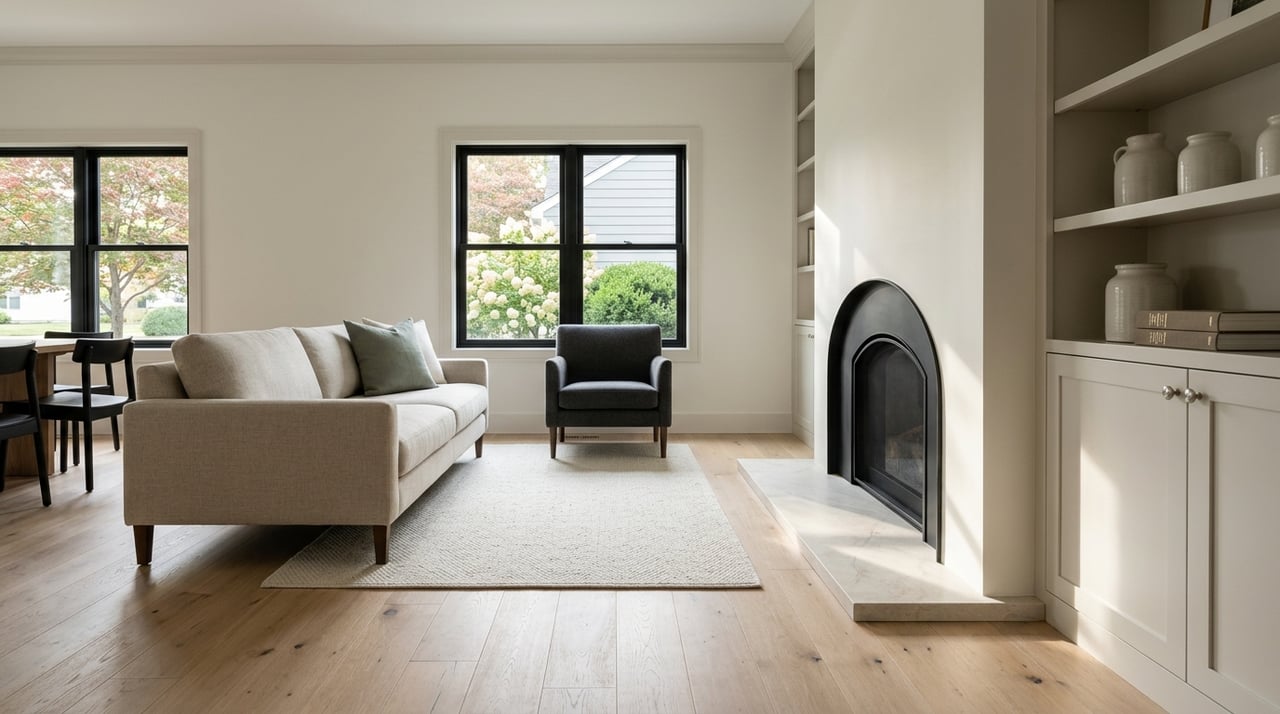
Start by removing anything that makes a room feel crowded or distracting. Extra chairs, overfilled shelves, piles of paper, and bulky decor can all make a space feel smaller online. Open blinds, simplify surfaces, and aim for clean sightlines from doorway to doorway.
A good rule is to keep what helps the room make sense and pack away what competes for attention. You are not erasing your home. You are helping buyers see the space more clearly.
Small defects can send a bigger message than you think. A dripping faucet, chipped paint, loose trim, broken light fixture, or sticky door may seem minor, but together they can make buyers wonder what else has been overlooked.
The highest-value repairs are often the least glamorous ones. Fresh caulk, touch-up paint, working hardware, smooth doors, and functional fixtures help a home feel cared for. In a fast-moving market, those details can reduce buyer hesitation right from the start.
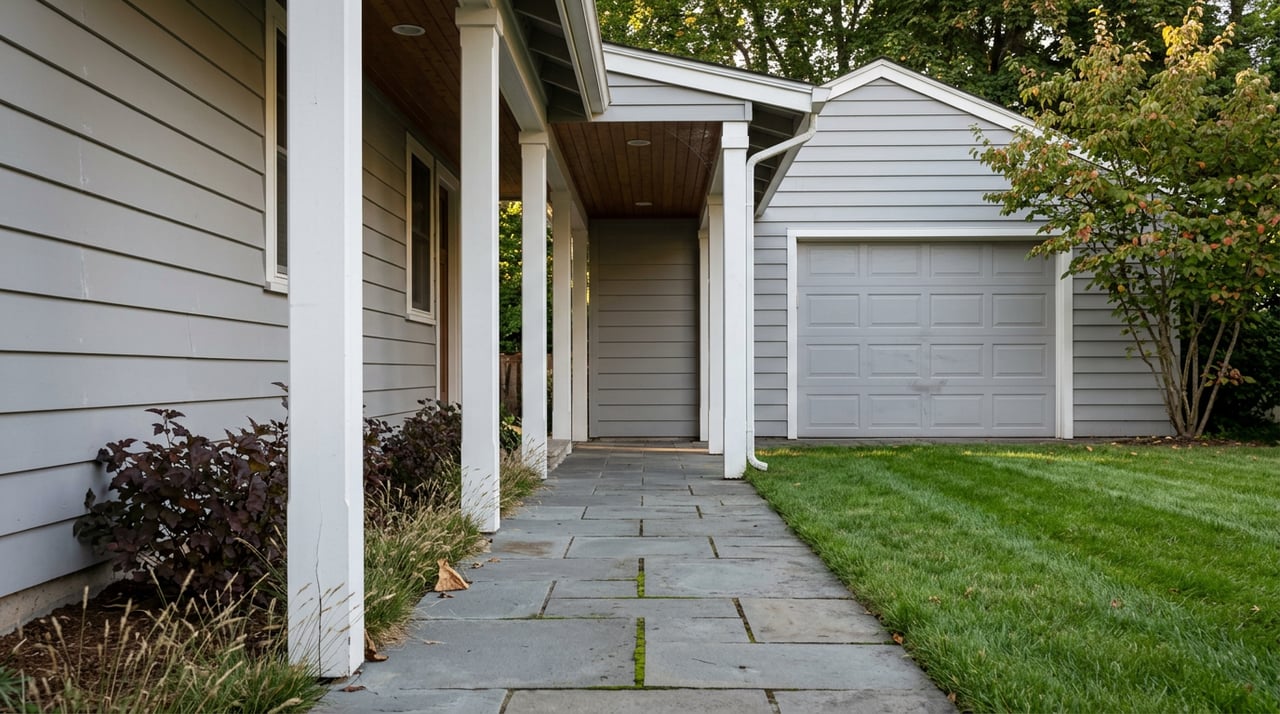
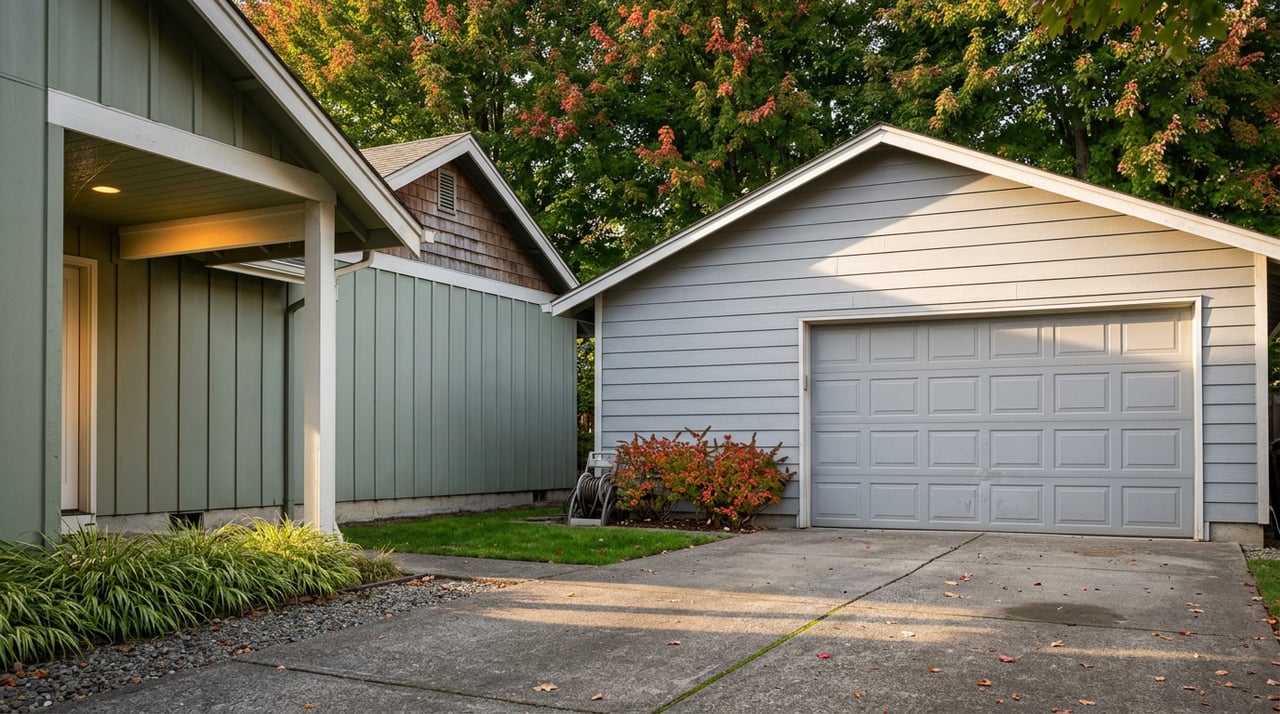
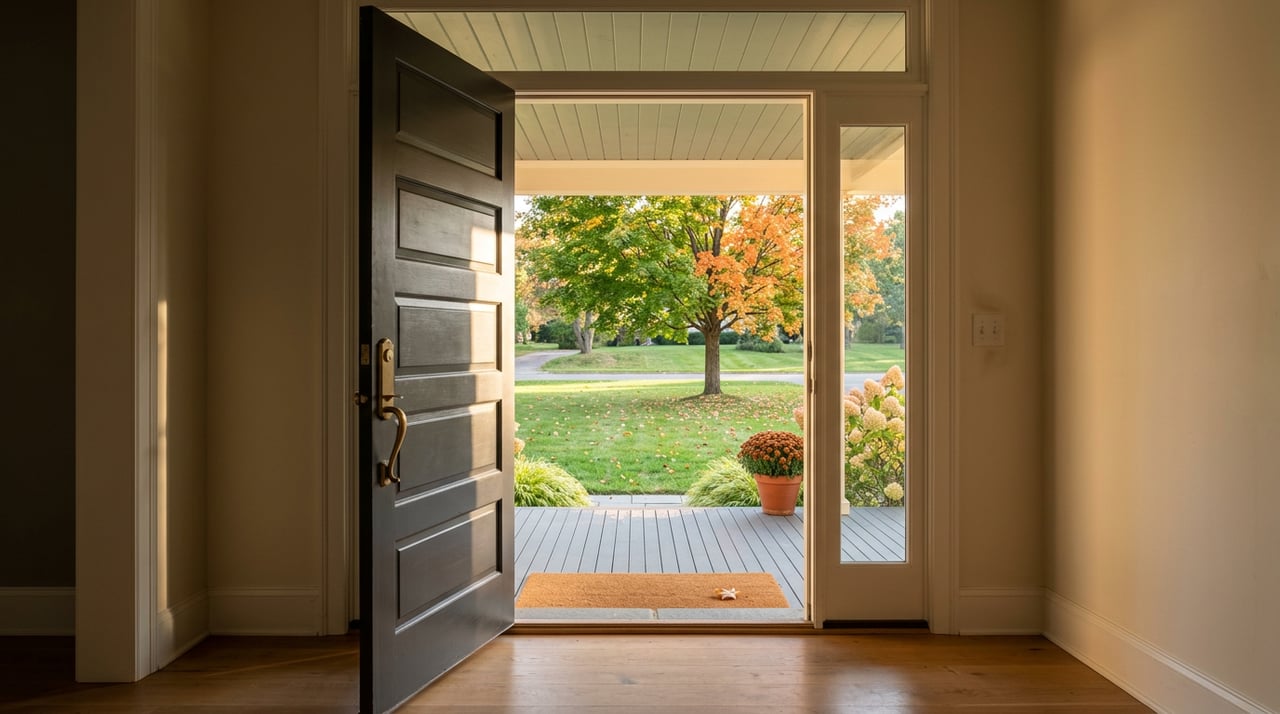
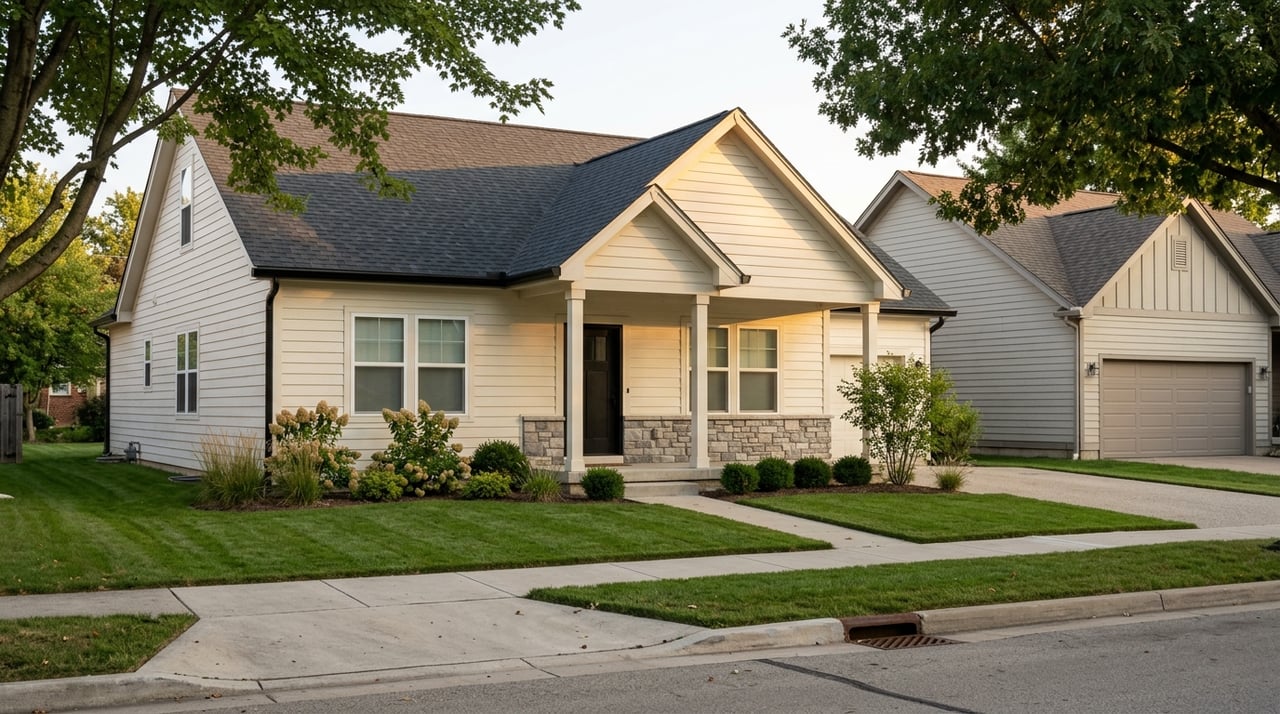
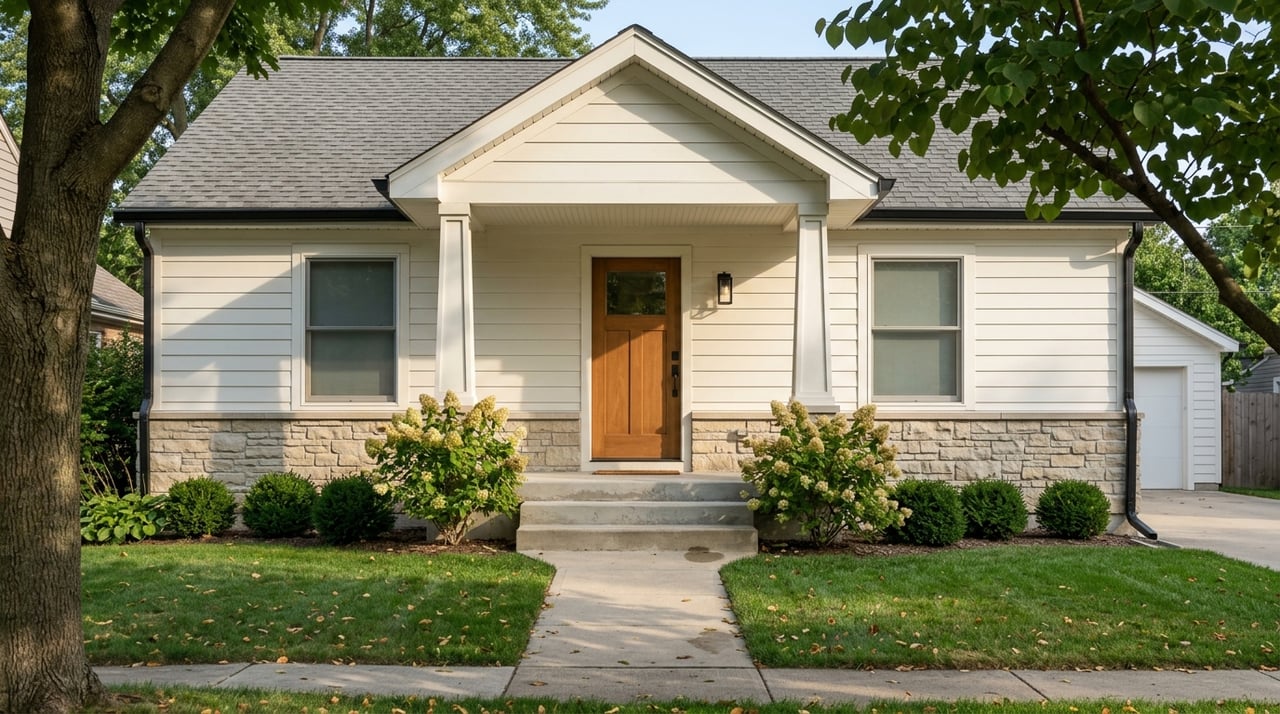
Your home starts showing before anyone walks inside. Buyers see the front entry, driveway, siding, windows, and yard first, and they often read that first impression as a clue about future upkeep.
That matters because buyers pay attention to maintenance-related features. In the research report, 82% of buyers said heating and cooling costs were at least somewhat important, and 77% said windows, doors, and siding were at least somewhat important. Clean windows, intact trim, working exterior lights, and a tidy entry can quietly reassure buyers that the home has been maintained.
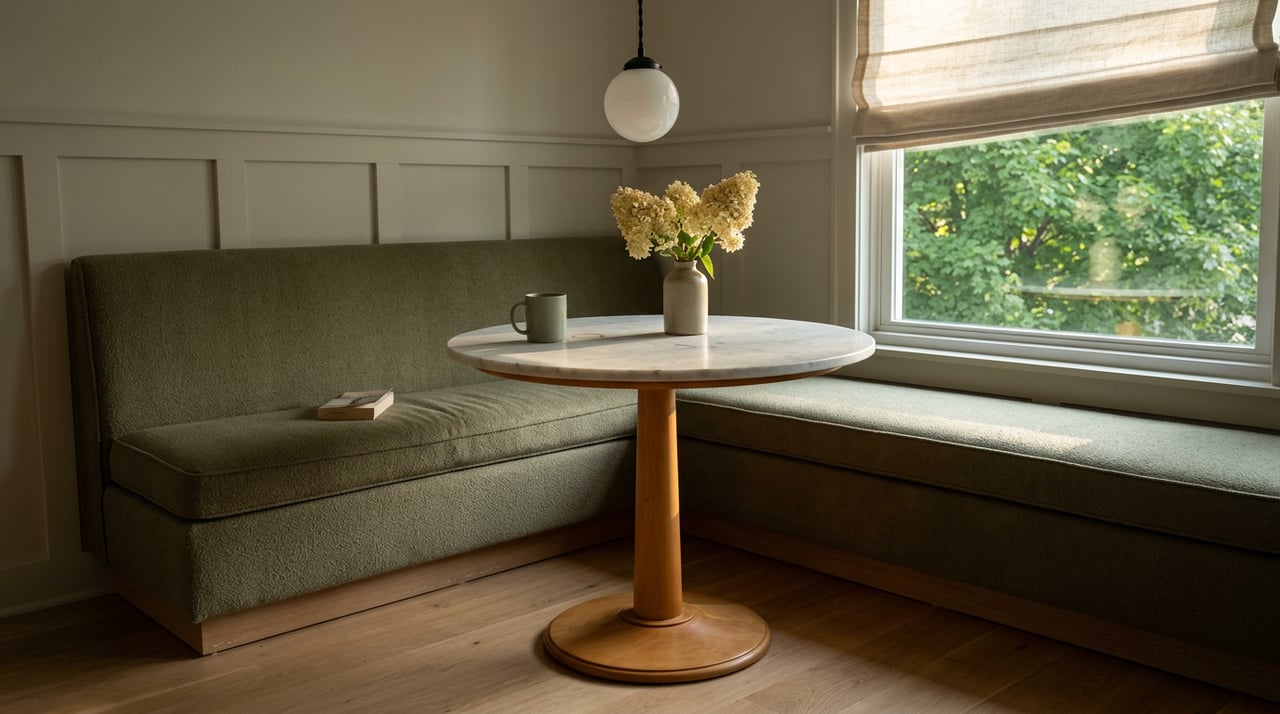
Staging is not about making your home look fancy. It is about helping buyers picture how the home lives. The good news is that you do not need to stage every inch of the property for it to make a difference.
NAR’s 2025 staging report found that 83% of buyers’ agents said staging made it easier for buyers to imagine the property as a future home. The most commonly staged rooms were the living room, primary bedroom, and dining room, which tells you where to put your energy first.
If you are short on time or energy, prioritize these areas:
These spaces carry a lot of weight in photos and showings. They help buyers understand how the home flows and where daily life happens.
Simple staging often works best. Think clean bedding, clear counters, balanced furniture placement, and a few carefully chosen accessories. The goal is warmth and clarity, not a heavily decorated look.
This is also where having support matters. Lindsey’s seller services include complimentary staging, which can help you focus on the right changes instead of guessing what to move, keep, or remove.
In today’s market, photos are not just marketing materials. They are often the first showing. NAR’s 2025 buyer research found that 46% of buyers said their first step was looking online, 52% found the home they purchased on the internet, and 81% said photos were the most useful website feature.
That means your home needs to look good on screen before it can impress in person. Bright lighting, dust-free surfaces, clean fixtures, closed toilet lids, and an empty driveway all matter more than many sellers expect.
The research report shows buyers also value:
Floor plans stood out in particular, with 57% of buyers saying they found them useful. That is one reason professional listing materials can do so much heavy lifting. Lindsey’s seller marketing includes professional photography and floor plans, which helps your home stand out in the early online comparison stage.
One of the easiest ways to burn out is trying to do everything in one weekend. A more manageable approach is to spread the work out over four to six weeks, with one focus at a time.
Here is a practical timeline based on the research report.
Go room by room and separate items into keep, pack, donate, and toss. Focus on visible clutter first so you get quick wins. Closets, counters, bookshelves, and storage-heavy corners are great places to start.
Make a list of every small issue you have learned to ignore. Then tackle the items buyers will notice fastest, like chipped paint, broken fixtures, squeaky doors, worn caulk, and leaky faucets. This is the week for function and finish.
Freshen the front entry, trim back overgrowth, sweep walkways, and wash windows if needed. Inside, deep clean floors, baseboards, bathrooms, kitchen surfaces, and light fixtures. A clean home photographs better and feels more cared for in person.
Place furniture and decor with intention, make final edits, and prepare for professional photos. Once images are scheduled, think of the home as live even before the listing hits the market. In a quick-moving Holland market, that early readiness can make a real difference.
Getting market-ready is not only about appearance. It is also about paperwork and reducing surprises later.
Michigan’s Seller Disclosure Act applies to transfers of 1 to 4 residential dwelling units, and the disclosure form is intended to be provided before a binding purchase agreement is signed. Handling this early can help you feel more organized and avoid a last-minute scramble.
Some sellers also choose to think through home condition early, before listing, so they can decide what to repair and what to disclose. Whether your home needs very little work or a longer punch list, it helps to look at prep as both a presentation process and a documentation process.
The best seller prep plan is the one you can actually follow. You do not need to do every project that has been on your list for years. You need to do the work that helps buyers say yes faster and with more confidence.
To keep the process manageable, try these simple rules:
In Holland, where buyers often search online first and homes can move quickly, the goal is not perfection. It is preparation that feels thoughtful, clean, and low-stress.
If you are thinking about selling and want a calm, step-by-step plan, Lindsey R Eppink can help you prioritize what matters most, use complimentary staging wisely, and get your home ready for the market without the overwhelm.
Stay up to date on the latest real estate trends.

Experience a thoughtful, client-focused approach backed by local expertise, responsive communication, and a genuine passion for helping people feel at home.